
Can A Prenup Be Signed After A Marriage In Maryland?
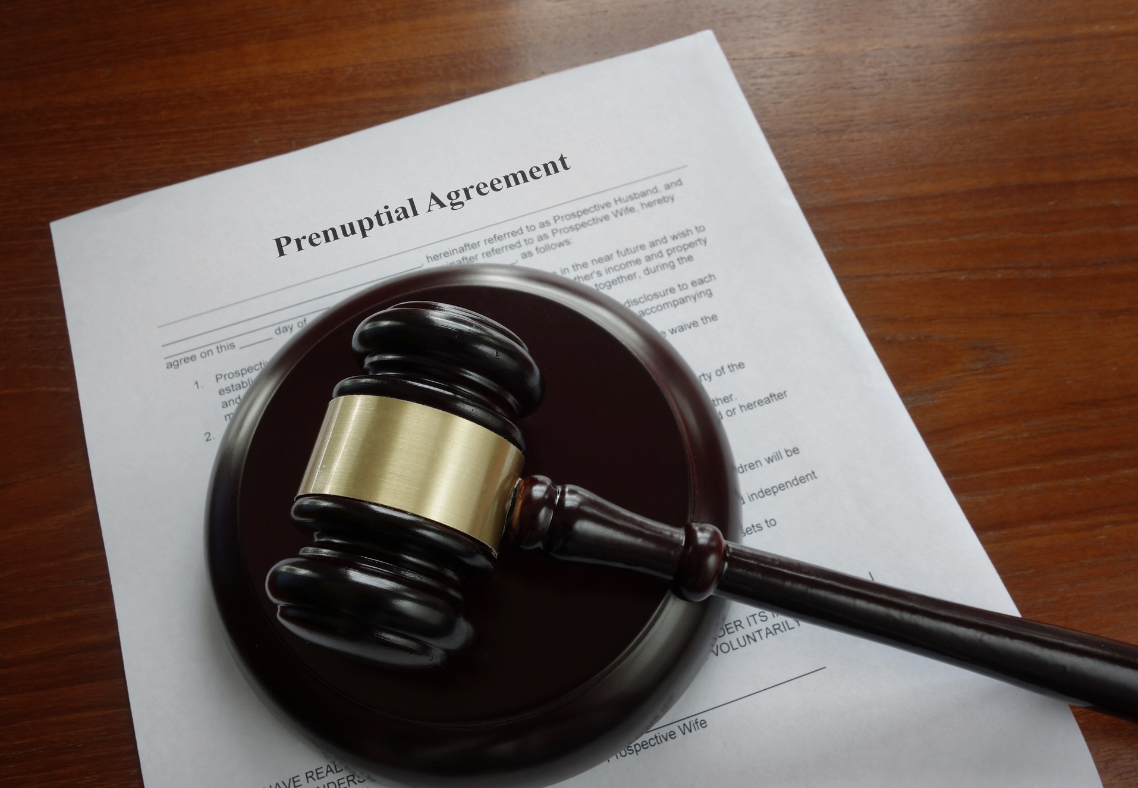
When most people think of a prenuptial agreement (prenup), they imagine an agreement signed before marriage to protect assets, define property rights, and clarify financial expectations. But what if you are already married and didn’t sign a prenup before your wedding? Can you and your spouse still create a similar agreement after marriage in Maryland? The answer is yes — though what you’ll be creating is usually called a postnuptial agreement (postnup), not a “prenup.” In Maryland the law allows postnuptial agreements, and these can function very much like a prenup to protect property rights, debt responsibilities, and future financial planning. In this article for Maryland couples and residents, we will explore how postnuptial agreements work, how they differ from prenups, when they make sense, and what you need to know to make sure one is enforceable under Maryland law.
Answering The Question: Can A Prenup Be Signed After A Marriage In Maryland?
Prenup vs. Postnup: What’s the Difference?
A prenup is a contract signed by both parties before they enter into marriage. It outlines how marital property, debts, and other financial issues will be handled if the marriage ends through divorce or death. A postnup, on the other hand, is a contract entered into after the spouses are already married. In Maryland a postnuptial agreement is legally recognized. It allows spouses to agree to terms around property rights, assets, debts, and support but negotiated and executed during the marriage. For many couples who did not sign a prenup before marriage, a postnup offers a second chance to set clear financial expectations and protections.
Are Postnups Enforceable in Maryland?
Yes, under Maryland law postnuptial agreements are generally enforceable. The legal framework for these agreements comes from statutes that treat “agreements, deeds, or settlements” between spouses as valid regarding property, support, and personal rights. That said, Courts review postnups carefully. Because marriage involves a “relationship of confidence,” agreements between spouses are subject to a “heightened standard,” especially when challenged. These agreements can cover many of the same topics as prenups — such as division of property, ownership of business or real estate, inheritance protection, debt responsibility, and spousal support. However, postnups (like prenups) cannot pre‑determine outcomes related to child custody or child support. Those are matters the court will always decide based on the best interests of the child at the time of divorce or separation.
What Makes a Valid Postnup in Maryland?
To maximize the likelihood that a postnup will be enforced, spouses should consider the following requirements. Maryland courts look at postnuptial agreements much like other contracts.
- Written and Signed: The agreement must be in writing and signed by both spouses. Oral agreements are not valid.
- Voluntary and Informed Consent: Both parties must enter into the agreement voluntarily and without coercion, duress, or undue pressure.
- Full Financial Disclosure: Each spouse should fully and honestly disclose their assets, debts, income, and financial obligations. Concealing or misrepresenting property or debt may render the agreement unenforceable.
- Fair and Reasonable Terms: The agreement should be fair and not so one-sided that enforcement would be unconscionable. Courts may refuse to enforce agreements that are grossly unfair.
- Not Contrary to Public Policy: Any provision that violates public policy will be invalid.
When these conditions are met, a postnup in Maryland stands a strong chance of being enforced if necessary.
When Might a Maryland Couple Want a Postnup Instead of a Prenup?
There are many reasons why a couple might choose a postnuptial agreement even if they did not sign a prenup before marriage. Some of the common situations include:
- A spouse receives a significant inheritance after marriage and wants to protect it.
- One spouse starts or buys a business after marriage and wishes to clarify ownership and avoid future disputes.
- Marital finances change substantially and the couple wants to protect premarital assets and define future financial arrangements.
- The couple did not think a prenup was necessary before marriage, but now recognizes the importance of clear financial agreements.
- For estate planning purposes, especially for couples with children from prior relationships or with complex family finances.
A well-drafted postnup can provide clarity, reduce future conflicts, and ensure both spouses’ rights are protected — without the awkwardness of discussing a prenup before the wedding.
Challenges and Limitations of Postnuptial Agreements in Maryland
While postnups are valid, they are not immune to challenge. Courts will scrutinize them carefully if there is a dispute. Some common grounds for invalidation include:
- Lack of full financial disclosure: if one spouse hid significant assets or debts at the time the agreement was signed.
- Signs of coercion, duress, fraud, or undue influence: if one spouse was pressured or misled into signing.
- Unfair or unconscionable terms: if the agreement heavily favors one spouse to the point of creating a significant imbalance or hardship.
- Provisions related to child custody or support: such terms are not binding on courts and may be struck down.
Because of these potential pitfalls, it’s critical to approach a postnup carefully and with proper legal guidance.
Practical Steps for Maryland Couples Considering a Postnup
If you are married and considering a postnuptial agreement in Maryland, these steps can help ensure the agreement is valid, fair, and enforceable:
- Work with an experienced family law attorney: A lawyer can help draft an agreement that clearly states each spouse’s rights, obligations, and expectations.
- Fully disclose all assets and debts: Transparency at the outset protects both parties and reduces risk of future challenges.
- Make sure both spouses enter voluntarily and knowingly: Do not rush or pressure. give each person time to review and consider the agreement.
- Describe property, debts, and financial arrangements clearly: Use specific language, include schedules of assets and debts, and avoid vague terms.
- Have the agreement in writing, signed by both parties: Notarization or acknowledgment may be wise, though not strictly required.
- Avoid addressing child custody or support: Accept that those issues are best left to the court at the time of divorce or separation.
- Store the agreement safely and update as needed: If circumstances change, consider revising the agreement accordingly.
Why This Matters for Residents of Maryland
For many Maryland residents, including those in Towson and the surrounding region, life circumstances evolve after marriage. Jobs change, inheritances come through, businesses emerge, and financial complexity increases. A postnuptial agreement gives you a flexible mechanism to protect what matters, especially when you did not sign a prenup before marriage. Because Maryland treats marital and post‑marital agreements under contract law, these documents offer real legal protections. At the same time, the courts apply a careful standard to ensure fairness. That means you need to approach a postnup thoughtfully and legally. If you’re in Maryland and want clarity, security, and control over your financial and property rights as your marriage evolves, a postnup may be the right solution.
Contact Wobber Law Group For A Prenup Arrangement In Maryland
If you are married and considering a post‑nuptial agreement or want to explore your options for a prenup, the experienced family law attorneys at Wobber Law Group are ready to help. We understand Maryland’s laws and court practices. We can assist you with full financial disclosure, drafting clear and fair agreements, and ensuring your rights and intentions are protected. Contact Wobber Law Group today to schedule a consultation. Let us guide you through the process and help protect your assets, your future, and your peace of mind in Maryland.